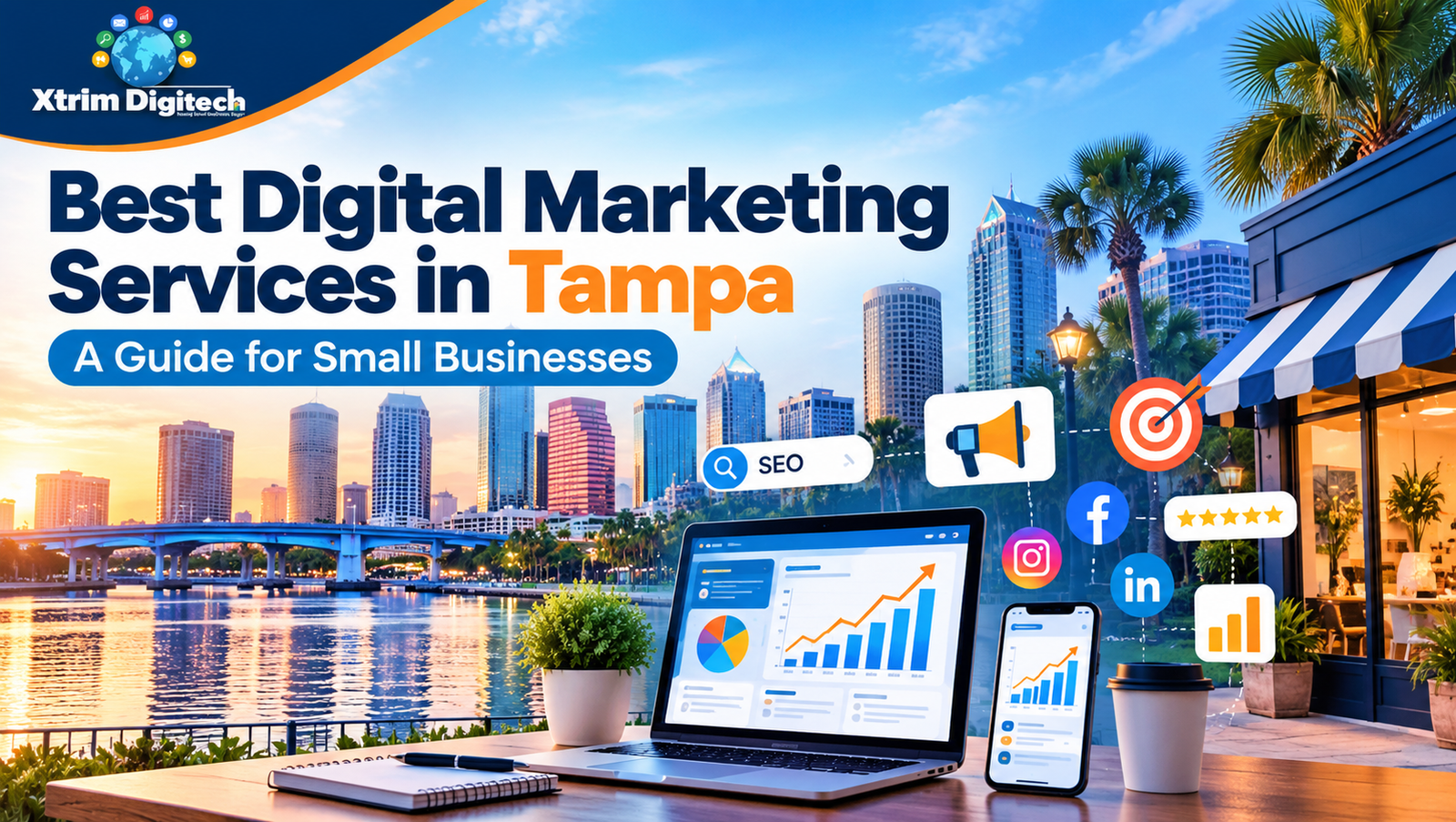
Small businesses need a strong online presence to connect with potential customers, build credibility, and compete in their local markets. Whether a business operates a restaurant, retail store, professional service, healthcare practice, or home service company, customers often use search engines and social media to discover and evaluate businesses before making a decision.
This is where Digital Marketing Services in Tampa can play an important role. A well-planned digital marketing strategy helps small businesses reach relevant audiences, improve online visibility, generate inquiries, and measure marketing performance. However, small businesses do not always have large budgets or dedicated marketing teams. They need to choose services that match their business goals, target audience, and available resources.
Some businesses may benefit from local SEO and Google Business Profile optimization, while others may need paid advertising, social media marketing, website improvements, or content creation. Understanding these options can help business owners make informed decisions and invest in marketing activities that support long-term growth.
Why Small Businesses Need Digital Marketing
Digital marketing helps businesses connect with customers through online channels. Instead of relying entirely on traditional advertising or word-of-mouth recommendations, small businesses can use search engines, websites, social media, and paid campaigns to reach people who are looking for relevant products or services.
For example, someone searching for a restaurant in Tampa may compare menus, reviews, photographs, and websites before choosing where to eat. Similarly, a homeowner looking for plumbing services may search Google, compare local providers, and contact a business that appears relevant and trustworthy.
A suitable Digital Marketing Agency in Tampa can help businesses understand these customer journeys and identify opportunities to improve their online presence.
Digital marketing can support several objectives:
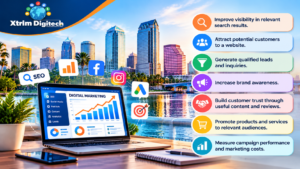
- Improve visibility in relevant search results.
- Attract potential customers to a website.
- Generate qualified leads and inquiries.
- Increase brand awareness.
- Build customer trust through useful content and reviews.
- Promote products and services to relevant audiences.
- Measure campaign performance and marketing costs.
The most effective approach depends on the business category, competition, audience, and marketing objectives.
1. Search Engine Optimization (SEO)
Search engine optimization is one of the important services small businesses can consider when building a long-term online presence. SEO focuses on improving website accessibility, relevance, content quality, and visibility in organic search results. When customers search for products or services related to a business, optimized website pages can help them discover relevant information.
What Does SEO Include?
SEO services may include:
- Keyword research and search intent analysis.
- On-page SEO optimization.
- Technical SEO audits.
- Website structure improvements.
- Content optimization.
- Internal linking.
- Image optimization.
- Mobile usability improvements.
- Performance monitoring.
For example, a Tampa-based accounting firm may create service pages that explain its tax preparation, bookkeeping, and business accounting services. Each page should address the needs of its intended audience and provide clear information about the service.
When evaluating SEO Services in Tampa, small businesses should look for a strategy based on relevant keywords, useful content, technical requirements, and measurable objectives. SEO is generally a long-term activity. Rankings and traffic can fluctuate, so businesses should avoid expecting guaranteed positions or immediate results.
2. Local SEO Services
Local SEO is particularly relevant for businesses that serve customers in specific geographic areas. It helps businesses improve their visibility for relevant searches associated with their location or service area.For small businesses operating in Tampa, local search optimization can help potential customers find useful business information and discover relevant services.
Important Elements of Local SEO
A local SEO strategy may include:
- Google Business Profile optimization.
- Local keyword research.
- Location-specific website content.
- Accurate business information.
- Relevant local citations.
- Customer review management.
- Service-area information.
- Website and internal linking improvements.
For example, a cleaning company serving South Tampa and nearby communities may benefit from clear service pages, accurate contact details, and relevant local content.
Local SEO Services in Tampa should reflect the actual areas a business serves. Creating misleading location pages or using inaccurate business information can undermine trust. Local SEO does not guarantee a particular ranking, but it can form an important part of a business’s overall search visibility strategy.

Grow Your Business with Local SEO That Delivers Results
Improve your Google rankings, optimize your Google Business Profile,
attract more local customers, and generate high-quality leads with
Xtrim Digitech's proven digital marketing strategies.
Grow Your Business with Local SEO That Delivers Results
Improve your Google rankings, optimize your Google Business Profile, attract more local customers, and generate high-quality leads with Xtrim Digitech's proven digital marketing strategies.
3. Google Business Profile Optimization
Google Business Profile helps eligible businesses manage how their information appears on Google Search and Google Maps. For many local businesses, the profile provides customers with useful details before they visit a website or contact the company.
What Should a Business Profile Include?
Depending on the business type and eligibility, important information may include:
- Correct business name and category.
- Accurate address or service area.
- Business hours.
- Phone number and website.
- Services and relevant descriptions.
- Current photographs.
- Customer reviews and responses.
A restaurant, for instance, may use its profile to provide updated opening hours, photographs, contact information, and other relevant details. A service provider may focus on accurate service information and the areas it genuinely serves. A professional Digital Marketing Company in Tampa should understand how Google Business Profile supports local discovery and complements the business website. Businesses should retain appropriate ownership and access to their profiles and ensure all information follows Google’s guidelines.
4. Google Ads and Pay-Per-Click Advertising
Google Ads allows businesses to display paid advertisements for relevant searches and other placements. It can be useful for businesses that want to test demand, promote specific services, or generate inquiries within a defined budget.
Unlike organic SEO, paid search campaigns can begin receiving traffic shortly after launch when ads are approved and eligible to serve. However, traffic and conversions are not guaranteed.
What Makes a Google Ads Campaign Effective?
A structured campaign may include:
- Keyword research.
- Geographic targeting.
- Ad copy development.
- Negative keyword management.
- Landing page optimization.
- Conversion tracking.
- Budget management.
- Campaign testing.
- Performance analysis.
For example, a Tampa-based home repair company may use search advertising to reach people looking for specific repair services in its service area. The campaign should direct users to a relevant page that explains the service and makes it easy to contact the business.
When choosing Digital Marketing Services in Tampa, business owners should ask how advertising results will be measured. Clicks and impressions are useful metrics, but qualified leads, conversions, cost per lead, and actual business outcomes are also important. The advertising budget should be distinguished from the agency’s management fee.
5. Social Media Marketing
Social media marketing allows businesses to share information, communicate with customers, and maintain an active online presence. Depending on the audience and business category, suitable platforms may include Facebook, Instagram, LinkedIn, YouTube, and TikTok.
Types of Social Media Content
Businesses can publish:
- Educational posts.
- Product and service information.
- Short-form videos.
- Frequently asked questions.
- Customer stories.
- Behind-the-scenes content.
- Industry tips.
- Relevant company updates.
For example, a local fitness studio may publish exercise guidance, class updates, and information about its facilities. A professional services firm may share educational content that answers common customer questions.
Small businesses do not need to publish on every social media platform. They should prioritize channels that their intended audience uses and maintain a realistic publishing schedule. A suitable social media strategy should define its purpose, content themes, audience, and performance indicators.
6. Website Design and Conversion Optimization
A business website often serves as the central destination for customers who discover the company through search engines, advertisements, or social media. Even when a business receives website traffic, visitors may leave without contacting the company if the website is confusing, slow, difficult to navigate, or missing important information.
Important Website Elements
A small business website should provide:
- Clear service descriptions.
- Easy-to-find contact information.
- Mobile-friendly layouts.
- Logical navigation.
- Relevant calls to action.
- Fast and reliable page performance.
- Trust-building information.
- Secure browsing.
- Accessible and readable content.
For example, a local contractor may need separate pages for different services, clear descriptions of the service area, and an easy way for visitors to request an estimate. Website improvements can also support SEO and paid advertising by making it easier for users to understand the offer and complete an action.
Before investing heavily in traffic generation, small businesses should evaluate whether their websites provide a useful experience and support their intended conversion goals.
7. Content Marketing and Blogging
Content marketing helps businesses answer customer questions, explain services, and provide useful information throughout the buying journey. For small businesses, content can support organic search visibility while helping potential customers understand their options.
Types of Content Small Businesses Can Create
- Informative blog articles.
- Service pages.
- Frequently asked questions.
- Step-by-step guides.
- Industry tips.
- Comparison articles.
- Case studies.
- Educational videos.
- Local business resources.
For example, a Tampa-based landscaping company may publish articles about seasonal lawn care, garden maintenance, and choosing suitable landscaping services. A well-planned content strategy should begin with customer needs rather than simply repeating target keywords.
Businesses should also review content for accuracy, usefulness, originality, and relevance. Publishing more articles does not automatically produce better results; quality and alignment with search intent matter. A reliable Online Marketing Agency in Tampa should be able to explain how content supports the business’s wider marketing objectives.
8. Email Marketing
Email marketing gives businesses a way to communicate with people who have voluntarily subscribed to receive relevant updates.
It can support customer retention, repeat purchases, event announcements, educational communication, and product or service updates.
Common Email Marketing Activities
- Welcome emails.
- Newsletters.
- Educational email sequences.
- Product or service updates.
- Appointment reminders where appropriate.
- Customer follow-up messages.
- Promotional campaigns for opted-in subscribers.
For example, a local retailer may send product updates to subscribers who have agreed to receive emails. A professional service provider may share helpful guides or relevant business updates. Email marketing should respect consent, privacy requirements, and unsubscribe preferences. Businesses should evaluate performance using meaningful indicators such as clicks, conversions, unsubscribe rates, and revenue where applicable, rather than relying exclusively on the number of emails sent.
9. Online Reputation Management
Customer reviews can influence how people evaluate a business before contacting or visiting it. Reputation management helps businesses monitor feedback, respond professionally, and identify recurring customer concerns.
What Does Reputation Management Involve?
It may include:
- Monitoring relevant review platforms.
- Responding to reviews professionally.
- Encouraging genuine customer feedback without manipulation.
- Identifying recurring service issues.
- Updating inaccurate business information.
- Maintaining consistent customer communication.
For example, if customers repeatedly mention difficulty finding a business’s opening hours, the company can review and update its online information. Businesses should avoid buying fake reviews, offering incentives in exchange for positive reviews, or posting misleading testimonials. A thoughtful approach to customer feedback can help a business understand its strengths and identify areas that require improvement.
10. Analytics and Marketing Reporting
Marketing analytics helps small businesses understand how customers discover the company and what they do after interacting with its website or campaigns. Without reliable measurement, it can be difficult to decide which marketing activities deserve more attention or investment.
Important Marketing Metrics
Depending on the business and channel, relevant metrics may include:
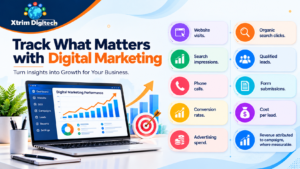
- Website visits.
- Organic search clicks.
- Search impressions.
- Qualified leads.
- Phone calls.
- Form submissions.
- Conversion rates.
- Cost per lead.
- Advertising spend.
- Revenue attributed to campaigns, where measurable.
For example, a business investing in Google Ads should understand how many qualified inquiries its campaigns generate and how much those inquiries cost. Similarly, a business investing in SEO should monitor relevant search visibility, organic traffic, and conversions over time. Reports should explain what changed, why it matters, and what actions are recommended next.
How to Choose the Right Digital Marketing Agency in Tampa
Choosing an agency requires more than comparing prices or counting the number of services offered. Small businesses should evaluate whether an agency understands their market, customer needs, competition, and available resources.
Check Relevant Experience
Ask whether the agency has worked with businesses that have similar objectives or customer audiences. Relevant experience can help the agency understand industry-specific challenges, although past results do not guarantee future performance.
Review the Proposed Strategy
The agency should explain why it recommends specific services, which audiences it intends to reach, and how the activities connect with business goals.
Compare Pricing and Deliverables
Review the exact services included in each proposal, the expected work schedule, reporting arrangements, additional costs, and contract terms.
Understand Communication and Reporting
Clarify who will manage the account, how frequently updates will be shared, and which metrics will be reported.
Maintain Account Ownership
Ensure the business has appropriate access to its website, domain, Google Business Profile, analytics, advertising accounts, and social media platforms.
A suitable Digital Marketing Agency in Tampa should provide a clear strategy, realistic expectations, and transparent communication.
How Much Should a Small Business Spend on Digital Marketing?
There is no single budget that suits every small business. Marketing costs depend on the services selected, industry competition, geographic targeting, website requirements, campaign complexity, and business objectives. A business beginning its digital marketing efforts may prioritize website improvements, local SEO, and Google Business Profile optimization.
Another business with an established website may focus on Google Ads, content development, or social media marketing. Before setting a budget, business owners should separate agency fees from advertising spend, software subscriptions, website development, and other additional expenses.
It is also useful to establish measurable goals and review results regularly. Marketing budgets should reflect the company’s financial capacity and the expected value of qualified leads or sales. Businesses should avoid spending money on services they cannot clearly connect to their needs.
Common Digital Marketing Mistakes Small Businesses Should Avoid
1. Targeting Too Many Audiences
Trying to reach everyone can make messaging less relevant. Businesses should define their primary audience and develop content and campaigns around its needs.
2. Ignoring Local Search
Businesses that depend on local customers may miss opportunities if their business information, location pages, and local search strategy are neglected.
3. Expecting Immediate SEO Results
SEO requires ongoing attention to content, technical performance, relevance, and competition. Results may take time and cannot be guaranteed.
4. Spending on Ads Without Conversion Tracking
Advertising without reliable tracking makes it harder to understand which campaigns generate meaningful inquiries or sales.
5. Publishing Content Without a Plan
Content should answer real customer questions and support specific business objectives. Repetitive or irrelevant posts may not provide meaningful value.
6. Neglecting Website Performance
A confusing or difficult-to-use website can reduce the value of traffic generated through search engines, social media, or paid advertising.
7. Failing to Review Performance
Businesses should regularly assess results and use the findings to improve their marketing strategy.
Which Digital Marketing Services Are Best for Different Small Businesses?
The most suitable services depend on the business model and how customers discover and purchase products or services.
| Business Type | Services to Consider |
|---|---|
| Restaurants and cafes | Local SEO, Google Business Profile, social media |
| Home service providers | Local SEO, service pages, Google Ads |
| Professional services | SEO, content marketing, website optimization |
| Retail businesses | Local SEO, social media, email marketing |
| E-commerce stores | E-commerce SEO, paid advertising, conversion optimization |
| Healthcare practices | Accurate educational content, local SEO, website optimization |
| New businesses | Website development, local visibility, targeted advertising |
These are general starting points rather than fixed recommendations. A business should select services after evaluating its audience, competition, budget, and goals.
Frequently Asked Questions About Digital Marketing Services in Tampa
1. What are the best digital marketing services for small businesses in Tampa?
The most suitable services depend on the business. Local SEO, website optimization, Google Business Profile management, content marketing, social media, and Google Ads are options that businesses can evaluate based on their goals.
2. Why is digital marketing important for small businesses?
3. How do I choose a Digital Marketing Agency in Tampa?
4. Are Local SEO Services in Tampa useful for small businesses?
5. Is SEO better than Google Ads for small businesses?
6. How much do Digital Marketing Services in Tampa cost?
7. How long does SEO take to show results?
8. Does a small business need social media marketing?
9. Can digital marketing generate leads for local businesses?
10. How can small businesses measure digital marketing success?
Frequently Asked Questions About Digital Marketing Services in Tampa
The most suitable services depend on the business. Local SEO, website optimization, Google Business Profile management, content marketing, social media, and Google Ads are options that businesses can evaluate based on their goals.
Conclusion: Choosing the Best Digital Marketing Services in Tampa for Small Businesses
Digital marketing can help small businesses build online visibility, connect with relevant audiences, and make more informed marketing decisions. However, success depends on choosing services that match the business’s actual requirements rather than investing in every available channel.
SEO, Local SEO, Google Business Profile optimization, Google Ads, social media marketing, website optimization, content marketing, email marketing, reputation management, and analytics can all contribute to a broader strategy when used appropriately.
For businesses exploring Digital Marketing Services in Tampa, the first step should be to identify clear objectives, understand the target audience, assess the existing online presence, and establish a realistic budget.
Comparing agencies carefully, reviewing deliverables, maintaining account ownership, and tracking meaningful results can help business owners make better decisions.
A well-planned digital marketing strategy should focus on relevant customers, useful content, transparent reporting, and measurable business outcomes. By prioritizing the services that best fit their goals, small businesses can build a more consistent and sustainable online presence.